Care
How to Care for a Leather Bag in Lagos Heat and Humidity
Leather loves to be used and hates extremes. In a city like Lagos, with heavy humidity, strong sun, sudden rain and dry harmattan months, a little routine care makes the difference between a bag that ages beautifully and one that cracks or grows mould.
1. Store it so it can breathe
Humidity is leather's biggest enemy in a warm climate, because trapped moisture invites mould. Store your bag in a breathable cotton dust bag, never in plastic. Keep it somewhere with air movement, not pushed into the back of a closed wardrobe for months. A couple of silica gel sachets inside the bag help absorb moisture.
2. Keep its shape
Stuff the bag lightly with acid-free tissue or a soft cloth when you're not using it, so the panels and corners keep their shape. Avoid newspaper, which can transfer ink. Hang bags by their handles only for short periods; long-term hanging stretches straps.
3. Keep it out of the sun and heat
Direct sunlight fades colour and dries leather out. Never leave a bag in a hot car or car boot, where temperatures can climb high enough to dry and shrink the leather. Store it away from windows and generators.
4. Clean little and often
Wipe your bag with a soft, dry cloth every week or two to remove dust, which can hold moisture against the surface. For marks, use a cloth that is only slightly damp, then let the leather dry naturally. Avoid household cleaners, alcohol wipes and baby wipes, which can strip finishes and colour.
5. Condition, but don't overdo it
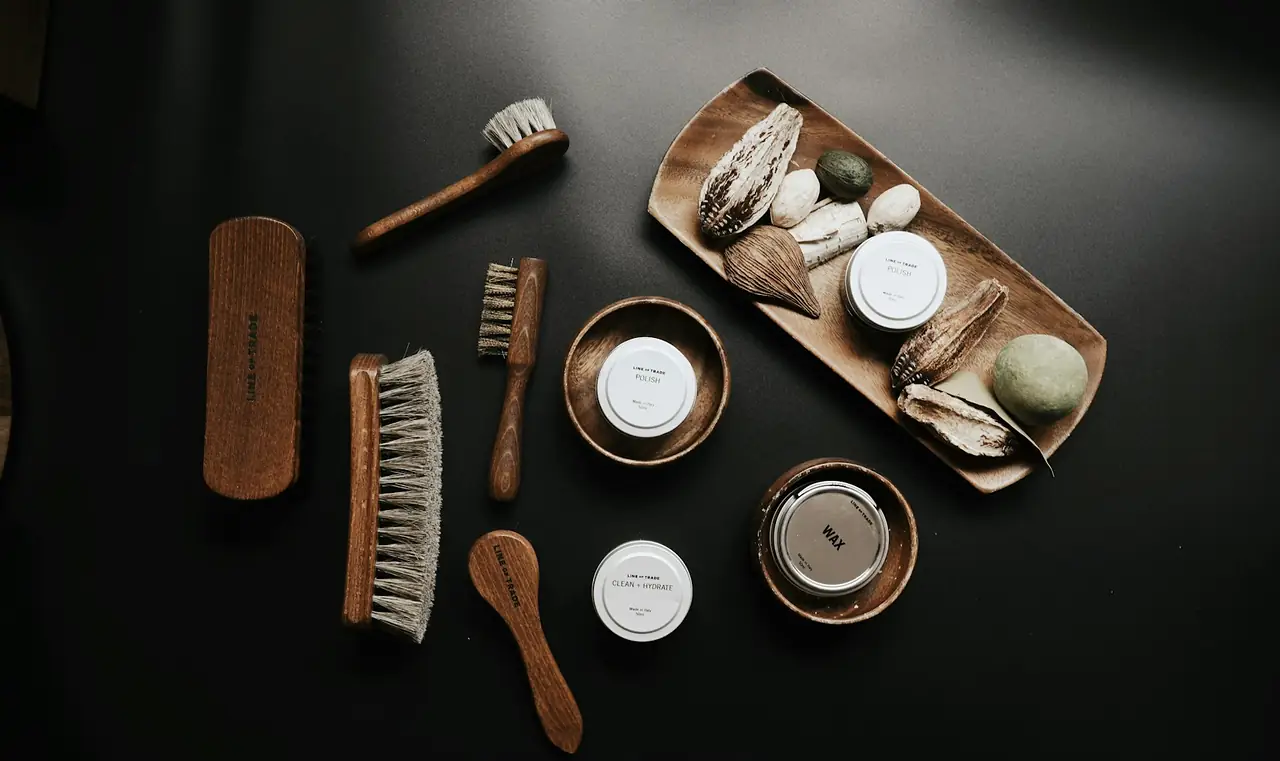
Conditioning puts back the oils that keep leather supple. Every few months is usually enough. Always test a conditioner on a hidden spot first, apply a thin layer with a soft cloth, and buff off the excess. Over-conditioning can darken leather and leave it sticky, which attracts dirt. During harmattan, when the air turns dry and dusty, you may want to condition slightly more often.
6. Caught in the rain?
Blot the water straight away with a soft cloth; don't rub. Stuff the bag with tissue to absorb moisture from inside and keep its shape, then let it dry at room temperature. Never use a hairdryer, heater or direct sun to speed it up, as fast drying makes leather stiff and can cause cracks.
7. Spotted mould?
Act early. Take the bag outside, gently brush off loose spores with a soft brush, and wipe with a cloth lightly dampened with a mild solution recommended for leather. Test first on a hidden area. Let it dry fully in a shaded, airy place. If the mould has stained the leather or come back, it is time for professional help.
When to get help
Faded colour, worn corners, cracked edges, mould stains and loose stitching can usually be fixed by a leather specialist. Our leather restoration guide explains what can be saved, and you can always send us photos for an honest assessment.